If you don’t drink often, drinking alcohol while taking Wellbutrin can increase your risk of certain problems, including seizures. If you drink heavily, abruptly stopping while taking Wellbutrin can have similar effects. Similar to the treatment of other withdrawal syndromes, reinstitution of caffeine with a slow taper is the treatment of choice for caffeine withdrawal. Headaches can also be treated with supportive care, hydration, and pain control medication such as acetaminophen and nonsteroidal anti-inflammatory medications.

Finding the Right 14-Day Inpatient Rehab for You in Georgia
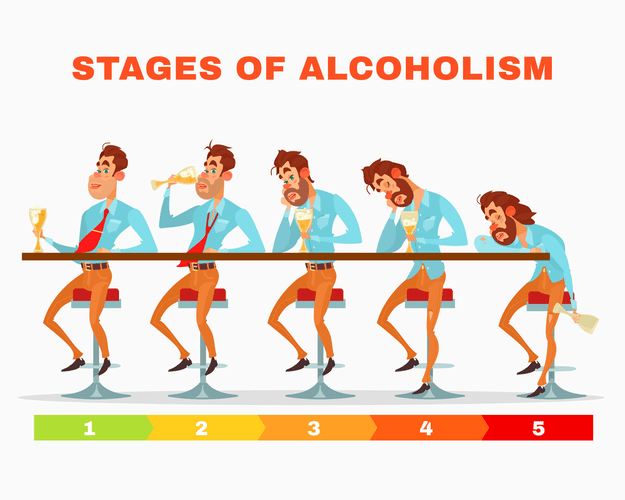
Find a supportive friend or family member to be with you while you withdraw and support your new non-drinking lifestyle. People who drink daily or almost every day should not be left alone for the first few days after stopping alcohol. Withdrawal symptoms can quickly go from a bad hangover to a serious medical situation. For people who experience hallucinations as part of alcohol withdrawal, these may begin in the 12- to 24-hour time frame.
Delirium tremens
If you have a problem with alcohol, getting sober is probably the best thing you will ever do. You will have more personal respect, better relationships, increased physical and mental health, and no longer have to fear what you have done while you were drunk. While everyone’s timeline is different, many people start to feel the benefits of sobriety more fully with two weeks down. If this is enough motivation to take you into week 3, that’s great. If you’re feeling like you can use some encouragement heading into the second half of the month, you’re not alone. Completing 30 days without alcohol is a huge accomplishment and it’s within your reach.
Alcohol Withdrawal Treatment
Physical symptoms typically appear within hours of your final alcoholic drink. They include sweating, trembling, nausea, a racing heart, and headaches. The symptoms may worsen over 2 to 3 days, and some milder symptoms may persist for weeks in some people. They may be more noticeable when you wake up with less alcohol in your blood. Contact a Recovery Advocate today to get started on the admissions process, or verify your insurance benefits instantly online.
You’ll Get Sick Less
However, binge drinking can be toxic to the delicate pancreas cells and cause a painful condition called alcoholic pancreatitis. Alcoholic pancreatitis symptoms include abdominal pain, nausea, vomiting, and more. Another long-term consequence of unhealthy alcohol use is a chronic irritation of the delicate lining of the gastrointestinal tract. This can lead to various dangerous and even life-threatening complications including esophageal tears, bleeding, and hemorrhoids. These conditions have what is alcoholism very serious consequences, and can even manifest as heart attacks and strokes when blockages prevent blood flow to the brain or heart. Alcohol affects neurotransmitters in the brain that regulate mood, relaxation, and motor control.
It blocks the euphoric high that opioids create, which helps reduce the urge to use again. The benefit of buprenorphine is that many providers can prescribe it for you to take at home, giving you more flexibility in your treatment. Other medications your doctor might use include gabapentin, baclofen, clonidine, atenolol, and propranolol. Your care team will choose the right combination based on your specific symptoms and health needs.
- The intensity of symptoms typically reaches its peak after 72 hours as the central nervous system struggles to rebalance itself.
- If your doctor feels you’re at risk, it will be important for you to have a thiamine supplement by IV for several days.
- The World Health Organization reports that alcohol use disorders impact nearly 400 million people worldwide, and alcohol contributes to over 2.6 million deaths each year.
- Symptoms of alcohol withdrawal tend to peak 24 to 72 hours after your last drink.
- That way, they can help you manage the discomfort and respond quickly in case of a medical emergency.
- These disruptions can change mood and behavior and make it harder to think clearly and move with coordination.
- Previous severe withdrawal – If you’ve had seizures or delirium tremens during past attempts to quit, you’re at higher risk of experiencing them again.
- Starting the path toward sobriety can be a scary one, especially when you realize that you’ll have to cope without alcohol.
- Individual therapy helps you determine why you started drinking and what your triggers are that lead you to drink.
- Our personnel provide support that is appropriate for the individual’s requirements and stage of recovery.
It requires the right treatment to re-program your mind to live without them. Ready to discuss a treatment plan that doesn’t end when detox does? Our team builds recovery pathways designed for the months and years ahead, not just the first week. For some people, temporary digital detox—disconnecting from social media, news, constant connectivity—reduces exposure to stressors and relapse triggers (Anrijs et al., 2018).

During withdrawal, the body is trying to repair the damage alcohol has done to your gastrointestinal system. The nausea is your body’s response to the stress of withdrawal, as it tries to restore balance to your digestive system. Because denial is common, you may feel like you don’t have a problem with drinking. You might not recognize how much you drink or how many problems in your life are related to alcohol use.
Day 23
Liver function continues to improve, and many experience sustained weight loss due to a more stable metabolism and healthier habits. Individuals who have been drinking heavily for alcohol detox side effects years may be prescribed acamprosate. This drug helps reduce alcohol cravings and assists the brain in returning to normal functioning after experiencing the effects of long-term alcohol addiction. These drugs reduce psychotic episodes, such as hallucinations, delusions, and paranoia. Individuals experiencing these symptoms as part of their withdrawal from alcohol may be prescribed antipsychotics such as olanzapine and risperidone.